
How Is Chemistry Present Everywhere?
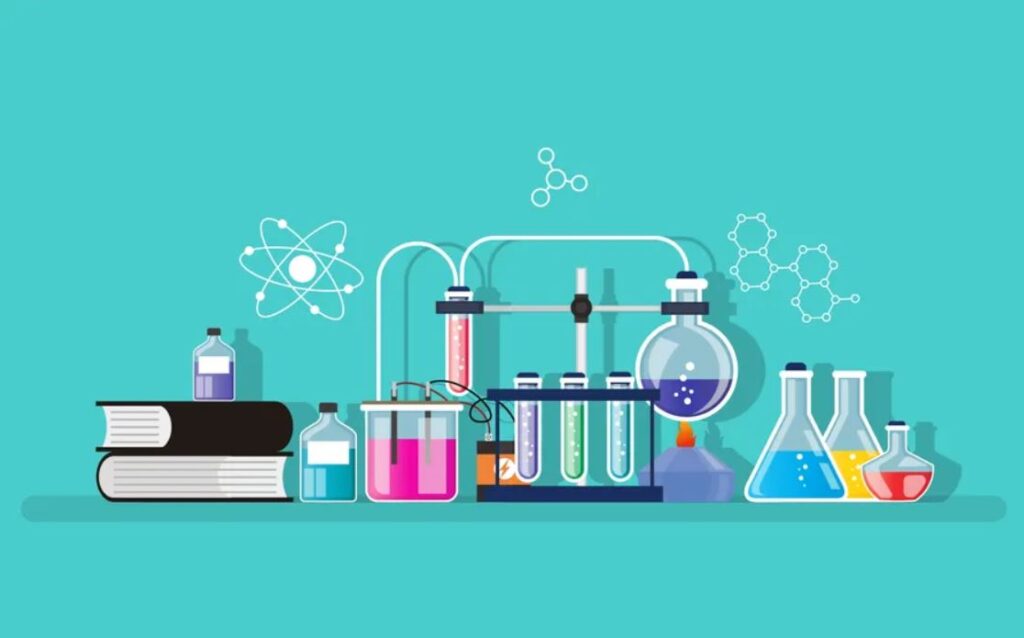
Chemistry is generally known as the central science due to its role in every single thing that happens and exists in the world. It plays a vital role in every aspect of our lives, and there are chemical compositions for everything around us. For example, minerals, metals, air, water, dirt, and every singular molecular substance can be denoted through chemistry.
Often, when we contemplate the universe’s vastness or marvel at life’s intricacies, we think of physics, biology, or even philosophy. Yet, threading silently through every facet of our world is chemistry, rightly dubbed the “central science.” Why? Because chemistry doesn’t just participate in the story of existence—it authors the script.
In Every Breath and Drop: The air we breathe is a mixture of gases—oxygen, nitrogen, and trace amounts of others. The water we drink is a union of hydrogen and oxygen molecules. These aren’t just elements; they’re chemistry in action, making life possible on Earth.
From Soil to Sky: Even the dirt beneath our feet, often overlooked, is a complex tapestry of minerals and organic compounds. Plants absorb nutrients from this soil, photosynthesize with the help of sunlight, and release oxygen—a series of intricate chemical reactions sustaining life.
Building Blocks of Matter: Every living or non-living object comprises atoms and molecules. From the iron in skyscrapers to the calcium in our bones, chemistry unravels the mysteries of matter’s composition, properties, and changes.
The World of Minerals and Metals: The glint of gold, the strength of steel, or the beauty of a crystalline gem—all owe their existence to chemical processes. How minerals form, how metals react, or even why certain substances are precious lie within the pages of chemistry’s grand narrative.
Chemical Reactions in Everyday Life: Every time we light a match, cook a meal, or even digest food, we’re setting off a series of chemical reactions. These transformations, some evident and some invisible, dictate the rhythm of our daily existence.
Medicine, Technology, and Beyond Beyond the natural world, chemistry fuels innovation. It’s at the heart of medicines that heal, technologies that transform, and solutions that protect our planet. The computer you’re reading this on, the paint on your walls, or the fabric of your clothes—all have tales of chemistry interwoven within.
While each scientific discipline offers a unique lens to view the world, chemistry bridges them. It binds the stars in the sky to the sand on the beach. It’s the language of life, the universe, and everything.
In celebrating chemistry, we’re honoring a subject and recognizing the foundational force that shapes, sustains, and transforms our universe.
Air and Atmosphere
It is important for us to understand the essential presence of chemistry in order to further analyze the patterns of air pollution, climate change, and weather disturbances. The air we breathe can be traced back to a mixture of gases which can be chemically denoted. Substances such as nitrogen, oxygen, and various other gases all have chemical names and compositions in air.
Water
Water (H2O), a straightforward but crucial molecule, is made up of two hydrogen atoms and one oxygen atom. Understanding the characteristics of water, such as its capacity to dissolve things, its function in chemical reactions, and its effects on life on Earth, is made easier by study of aquoeus chemistry. Ecosystems and all other living things require water to survive, including humans.
Putting into consideration the importance of water in chemistry, Francis Dakubo will soon be releasing his book, Aqueous Metallurgy: Hydrometallurgy, Flotation and Battery Recycling with Data Science Using Python. This book is an excellent resource for those who wish to know more about this phenomenon. However, one must remember that the information in this book should not be used carelessly since this book is written for the students, and practicing engineering and scientists of aquoes chemistry and metallurgy and not the right source of experimentation. Get your copies from Amazon Now.
Food and Nutrition
Chemistry is closely tied to the presence of the food we consume. The chemical comprehension of nutrients, such as carbohydrates, protein, lipids, vitamins, and minerals, all aid healthy bodily functions. All of their functions can be chemically understood in order to maintain good body weight and workings. These chemical principles are also essential for food safety, flavor enhancement, and preservation.
Medicine and Pharmaceuticals
Scientists are able to find various drugs and treatments for diseases with the help of chemistry. Being able to understand the chemical properties of different substances helps them attest and find cures and develop medicines that improve human health and make living better for us. Chemistry is also helpful in diagnosing diseases through chemical tests and medical imaging techniques.
Materials and Technology
Chemistry is instrumental in the development of materials used in various technologies. For example, polymers and plastics are vital components of everyday products like packaging materials and electronic devices. Nanotechnology, a branch of chemistry, deals with manipulating matter at the nanoscale and has led to advancements in electronics, medicine, and energy storage. The production of lithium, lead, copper, manganese used for battery manufacturing applies mineral and aqeous chemistry or metallurgy.
Unveiling the Secrets of Aqueous Metallurgy!
Chemistry is about more than just about what happens in labs with beakers and flames. It’s at the heart of some of our most crucial technological advances. Think about it:
Polymers and plastics? They’re not just materials but innovations built on chemical foundations, playing pivotal roles in everything from our everyday packaging to intricate electronic devices.
Nanotechnology? It’s not just science fiction; it’s a real branch of chemistry. Diving deep into the realm of the minuscule, it’s reshaping industries, from advanced electronics to cutting-edge medicine and revolutionary energy storage.
And when it comes to the batteries powering your devices and electric cars, it’s not magic—it’s metallurgy! Essential metals like lithium, lead, copper, and manganese, which are keystones in battery manufacturing, owe their production to the intricate dance of mineral and aqueous chemistry.
In “Aqueous Metallurgy,” dive deep into the world where water meets metal, and discover the profound implications of these chemical reactions for our modern world. This book isn’t just for scientists—it’s for anyone curious about the hidden chemical forces driving our technological revolution.
Unlock the mysteries of metallurgy and the future of tech—grab your copy today!
The Pivotal Role of Chemistry in Powering Our World
When we flip a switch, charge a device, or drive our cars, few of us pause to consider the intricate dance of molecules and reactions that make it all possible. Yet, the heartbeat of our modern world—energy—is intrinsically woven with the fabric of chemistry.
Fuels and Combustion: Every time we ignite fuel, whether in our vehicles, heaters, or power plants, we’re relying on chemical reactions. Combustion is a chemical process where fuel reacts with oxygen to release energy in the form of heat. This energy then powers our vehicles and is converted into electricity for our homes. Chemistry ensures this process is optimized, reducing pollutants and maximizing energy yield.
Harnessing the Sun: Solar cells, or photovoltaic cells, capture sunlight and convert it into electricity. At the heart of this technology is the chemical nature of semiconductors, which absorb photons and free up electrons. These solar cells’ efficiency, durability, and adaptability are contingent upon innovations in chemical engineering and materials science.
Batteries – More than Just Storage: Batteries don’t merely store energy; they are a marvel of chemical reactions. Whether it’s the lithium-ion batteries in our smartphones or the emerging solid-state and flow batteries, their capacity, efficiency, and safety all hinge on the chemical properties of their components. Chemistry is at the forefront of pushing these limits, ensuring we have more sustainable, longer-lasting, and safer energy storage solutions.
Sustainable & Efficient Technologies: As we venture towards a more sustainable future, chemistry is our guiding light. It’s leading the development of cleaner fuels, improving energy storage, and creating energy-efficient materials. From carbon capture techniques to hydrogen fuel cells, chemistry is instrumental in devising eco-friendly and practical solutions.
Every time we tap into an energy source or seek to store it for later use, we’re indebted to the wonders of chemistry. As we stand at the precipice of an energy revolution driven by the need for sustainability and efficiency, chemistry isn’t just a player—it’s the MVP. The fusion of energy and chemistry promises a brighter, greener, and more electrifying future.
Cleaning and Hygiene Products
Household cleaning products and personal hygiene items rely on chemistry to effectively remove dirt, bacteria, and germs. Understanding the chemical properties of cleaning agents helps in formulating products that are both effective and safe for everyday use.
Environmental Conservation
Chemistry is crucial for understanding environmental issues and finding solutions. It is used in analyzing air and water quality, assessing pollution levels, and developing eco-friendly technologies to reduce environmental impact.
Art and Culture
Even in the world of art and culture, chemistry plays a role. Conservation scientists use chemical analysis to preserve and restore artworks and historical artifacts. Pigments used in paintings, dyes in textiles, and chemical processes in photography all involve chemistry.
Indeed, chemistry permeates every aspect of our everyday existence, from the natural world to the technological developments that influence our contemporary culture. It plays a part in every aspect of our lives and is not just used in laboratories. We may better appreciate the world’s intricacies and wonders by having a solid understanding of chemistry, which also equips us to come up with novel, sustainable solutions to the world’s problems. Take a moment to acknowledge how chemistry plays a part in everything you experience or utilize in your daily life the next time.